Software and backend engineers moving into production AI systems.
AI Engineering · Course 01 · coming soon
Build an AI employee.
Learn the whole system.
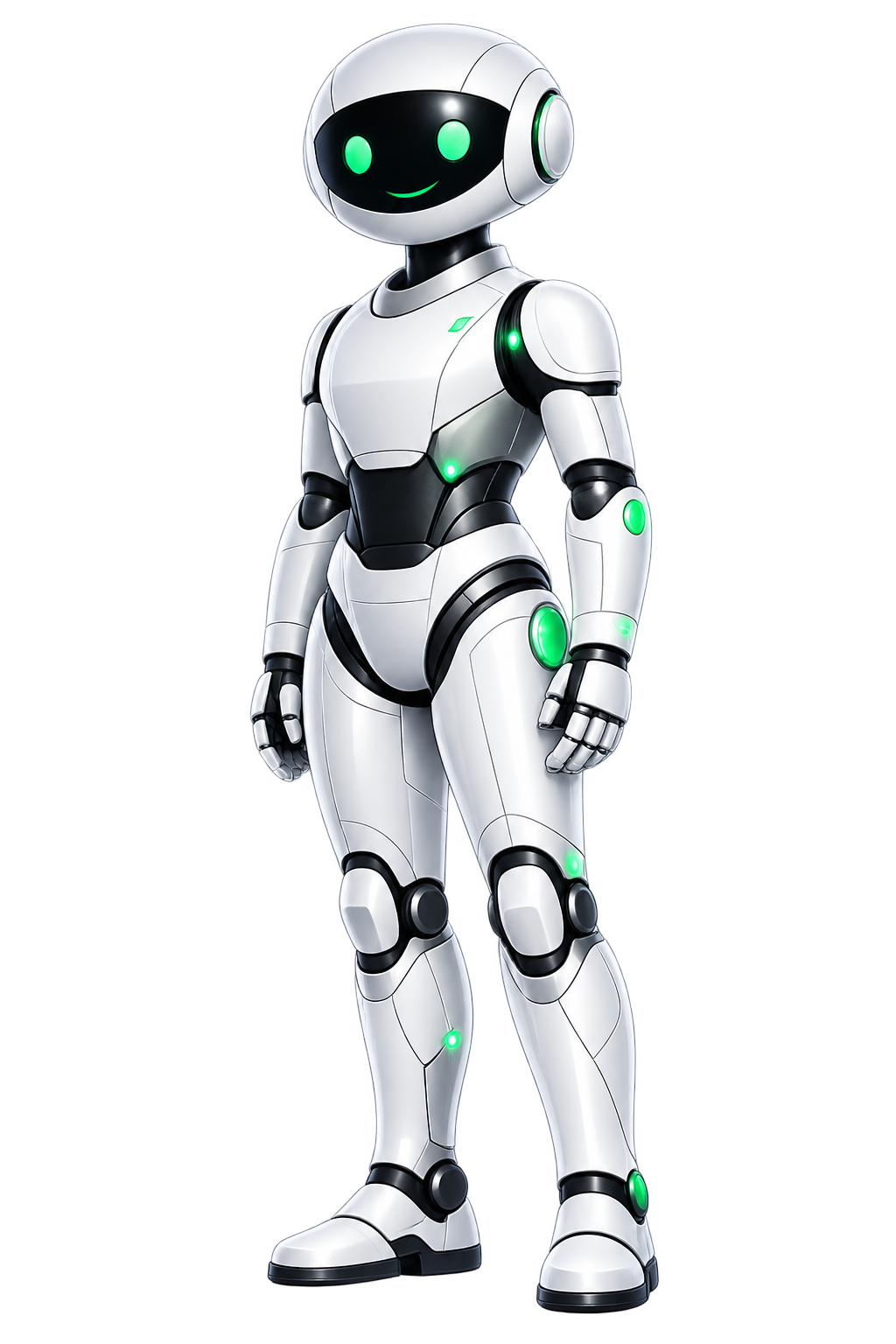
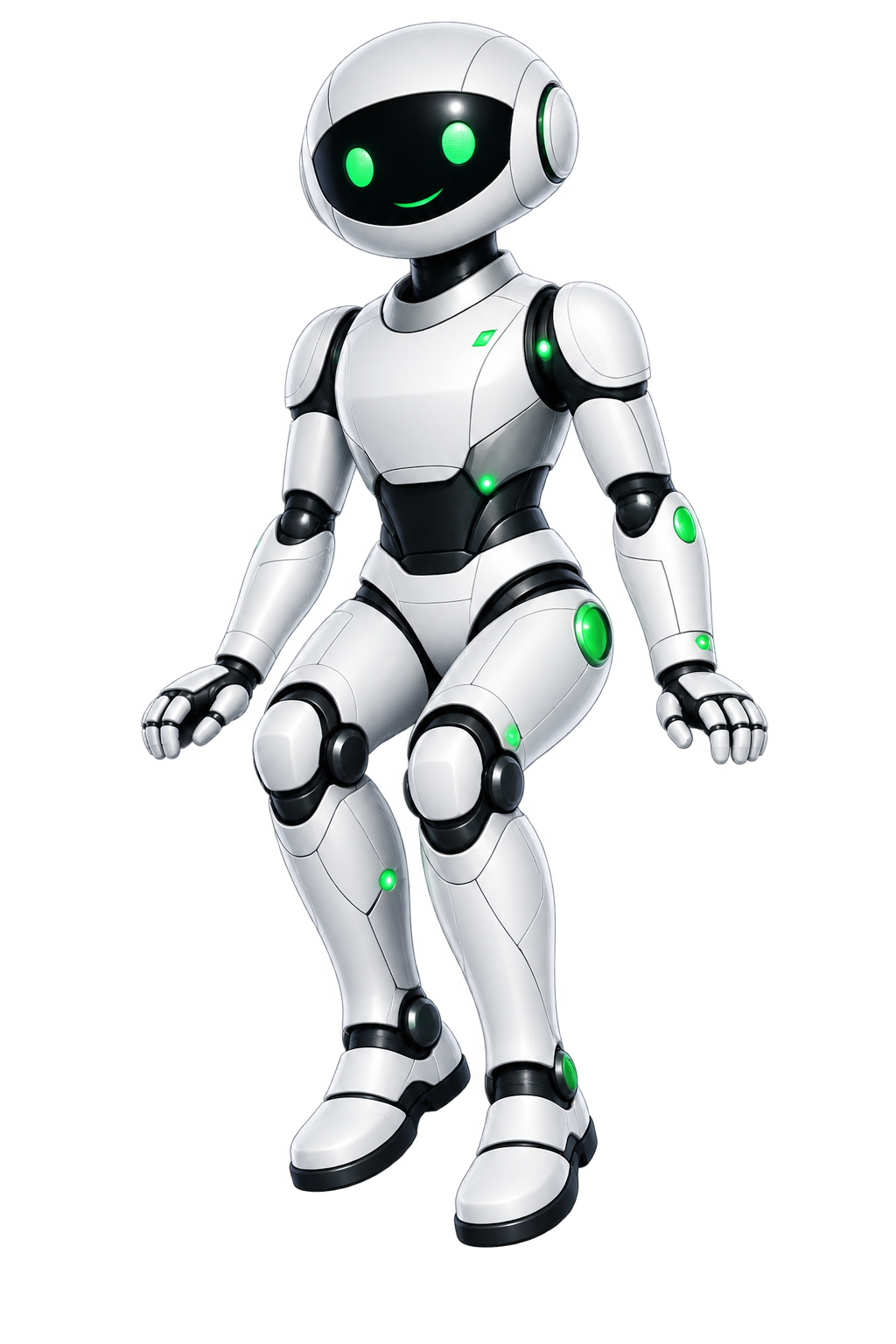
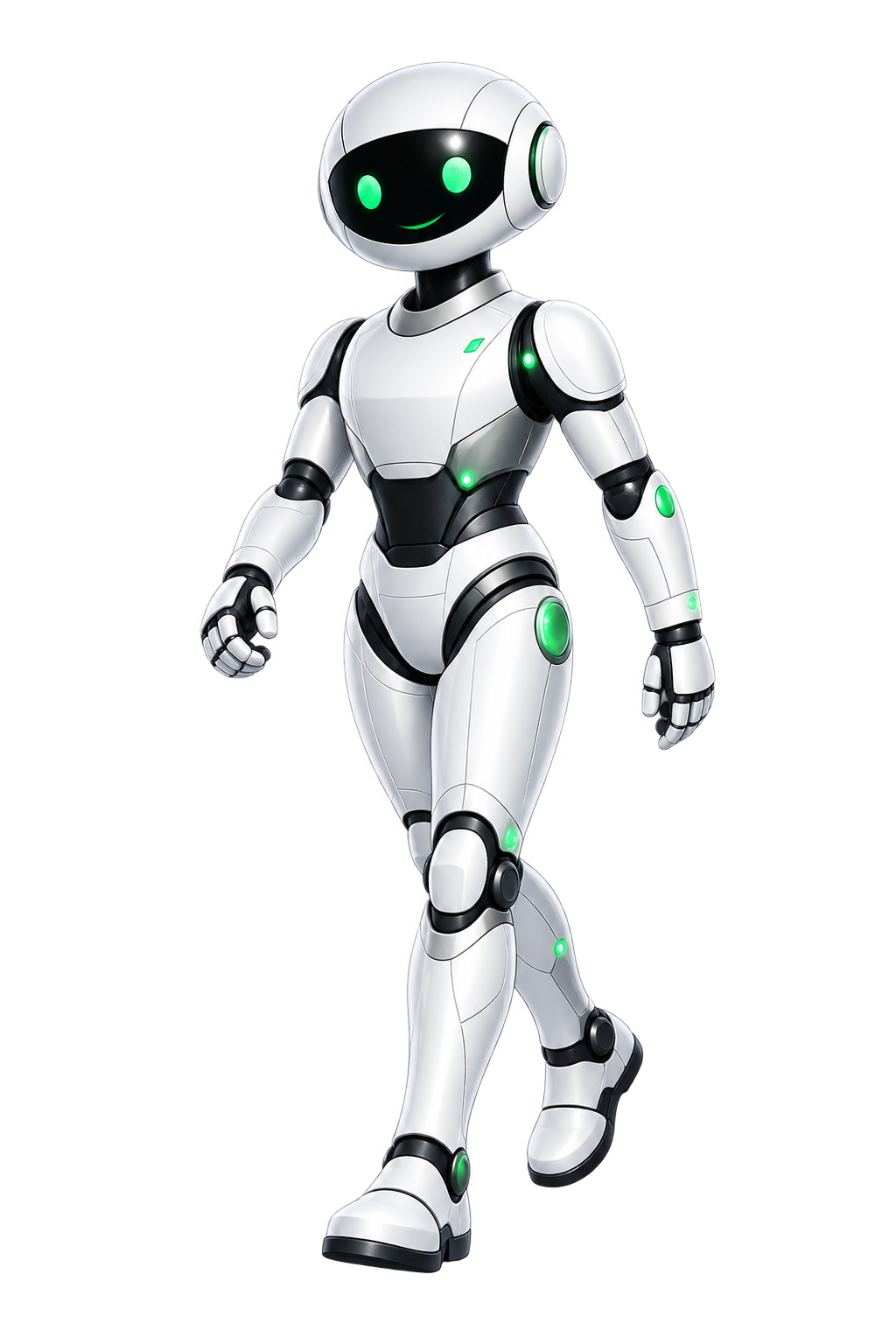
From prompting to production-ready RAG, taught as one connected engineering journey through Mira—a digital employee whose capabilities grow as yours do.
Coming soon
The curriculum is still being completed. Enrollment and payment are not open yet.
493designed slides
08connected modules
16hour learning path
07guided labs
Know the fit before you join
A practical path,
with clear expectations.
Basic programming familiarity and comfort reading code. No prior agent framework is required.
About 16 guided hours across eight connected modules and seven labs.
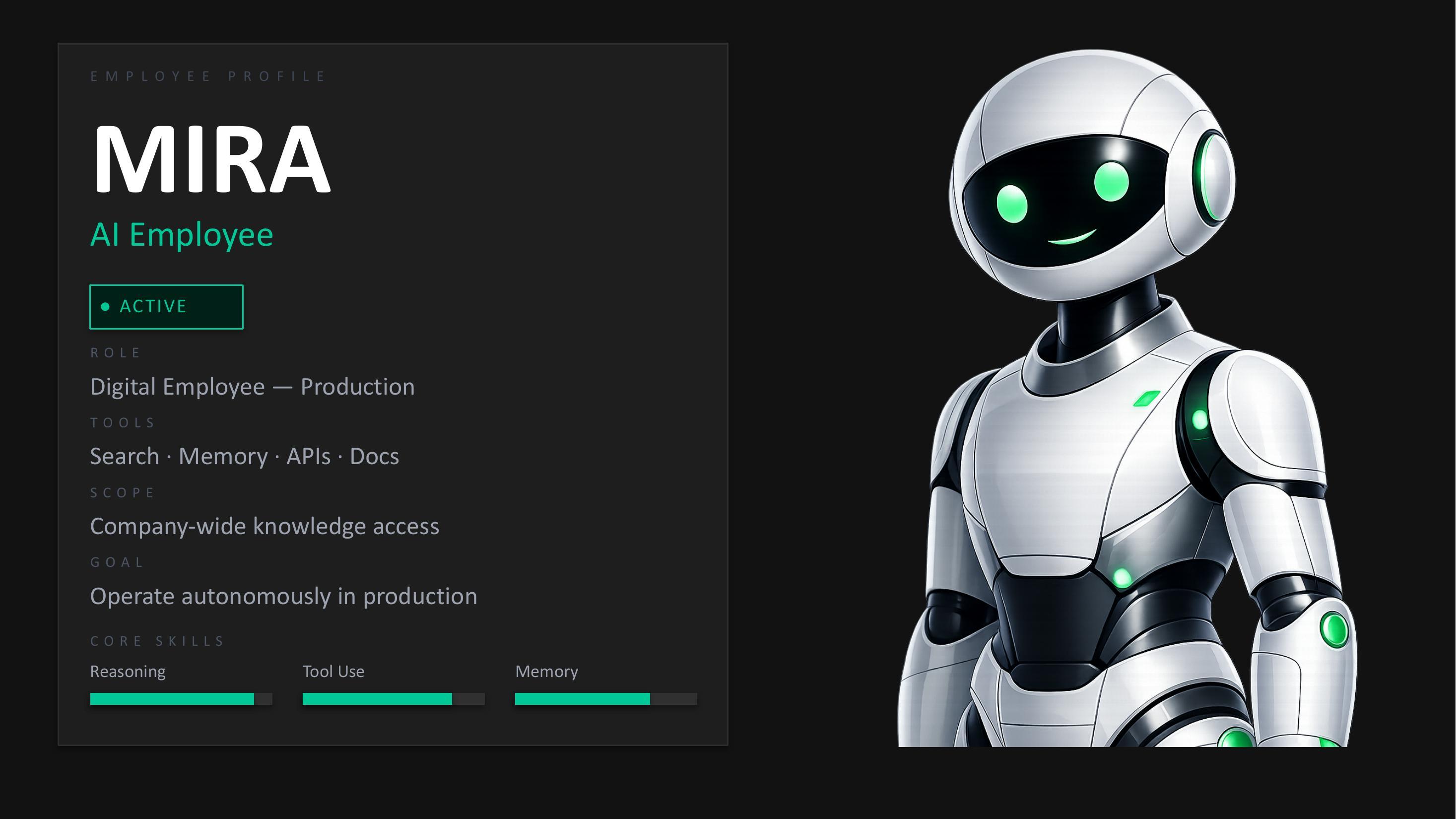
Mira: an AI employee with tools, memory, retrieval, evaluation, security, and operating controls.
Why it is different
Not isolated topics.
One evolving system.
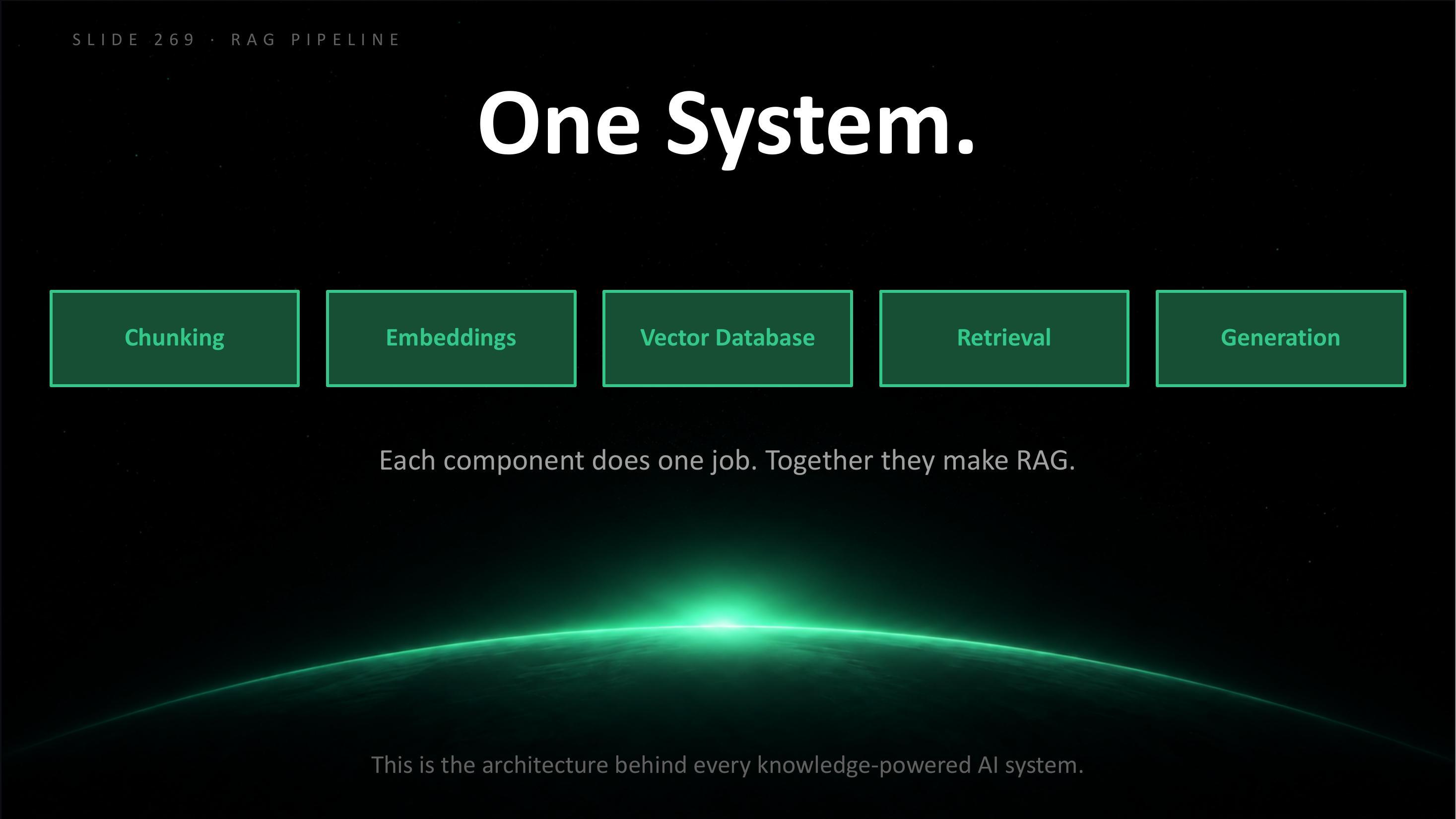
Most AI learning introduces prompting, embeddings, vector databases, RAG, and agents as separate ideas. This course makes their relationships visible.
The curriculum
Eight modules.
One complete journey.
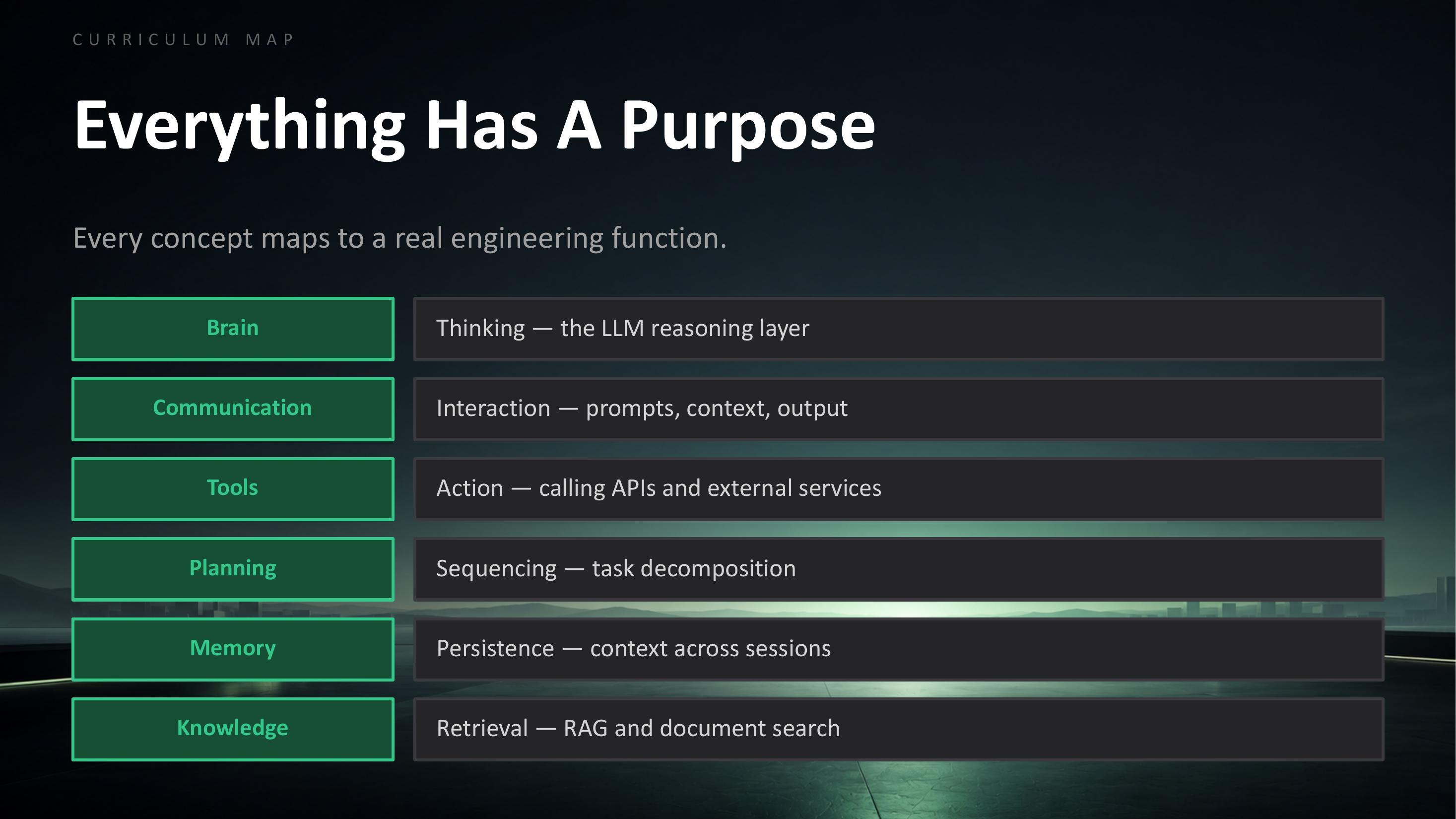
Explore the complete 16-hour curriculum ↗AI fundamentals & prompting
Probabilistic output, tokens, context limits, and a practical five-part prompt framework.
Agents & tool use
Controlled loops, tool schemas, permissions, observations, and stopping conditions.
Building an agent
Routing, chaining, decomposition, failure analysis, and a working agent lab.
Memory & context
Working context, session state, durable preferences, isolation, and deletion.
Knowledge & retrieval
Chunking, embeddings, semantic search, vector databases, grounded answers, and citations.
Production engineering
Cost, latency, reliability, observability, deployment, and fallback behavior.
Evaluation & security
Task metrics, monitoring, prompt injection, permissions, adversarial tests, and human oversight.
Capstone & review
Client briefs, build sprints, incident response, performance review, and graduation.
Course companions
Learn it.
Find it again.
The teaching deck carries the story. The field guide carries the patterns into your build. Each module connects to a concise reference, a practice lab, and deeper public notes where the topic benefits from more explanation.
Built for
People who want to
engineer, not imitate.
- Software engineers moving into AI systems
- Technical teams prototyping AI products
- Backend engineers learning RAG and agents
- Educators who want a connected teaching model
- Builders preparing systems for production
Make the decision with clarity
What you are buying.
What you are not.
A complete learning system
493 original slides, eight connected modules, seven guided labs, client briefs, production concerns, and a capstone—not a loose folder of prompts.
Engineering judgment
The course teaches how components relate, where systems fail, and how to reason about reliability, security, cost, and evaluation.
No false promises
This is not a guaranteed job, instant expertise, or passive-income shortcut. It is rigorous material for people prepared to practice.
Before you enroll
Questions,
answered plainly.
Who is this course for?
Software engineers, technical teams, backend developers, and serious builders who want a connected mental model for production AI systems.
What level of experience do I need?
Basic software-development familiarity helps. The course builds concepts progressively, but it rewards learners willing to read code and work through systems thinking.
What will be included?
The planned course includes 493 slides across eight modules, seven guided labs, exercises, client briefs, architecture material, a working field guide, and a capstone.
Can I enroll now?
Not yet. The course is still being completed, and checkout will remain disabled until the full learning experience is ready.
Can I ask before buying?
Yes. Use the 30-minute Calendly link to discuss fit before purchasing.
Course 01 · development list
Build Mira.
Learn the whole system.
The course is not published yet. Join the dedicated list for field notes, samples, and the eventual release announcement. No daily emails and no payment required.